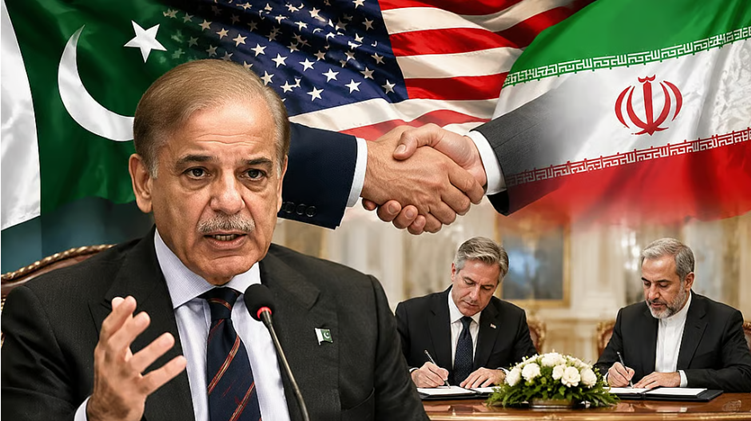
Major Diplomatic Breakthrough Between the United States and Iran
A major geopolitical development has emerged as the United States and Iran have reportedly reached a “preliminary peace agreement,” marking a significant step toward reducing tensions that have escalated over recent months. Former U.S. President Donald Trump said that the framework for a “U.S.-Iran peace deal” had been finalized, signaling a potential end to the ongoing hostilities in West Asia.
The agreement is expected to be formally signed in Switzerland on June 19, a country that is widely recognized for its neutral diplomatic role in international conflict resolution
What the U.S.-Iran Agreement Means
Officials have clarified that the document signed is a “Memorandum of Understanding (MoU)” rather than a final peace treaty. This means the agreement serves as a framework for further negotiations.
Key points include:
* Gradual reduction of military tensions
* Continued technical-level negotiations
* Deferred resolution of critical disputes
While the agreement marks progress, a **final peace settlement between the U.S. and Iran** is still pending.
Strait of Hormuz Reopened Amid De-escalation Efforts
One of the most significant developments includes the reported reopening of the “Strait of Hormuz,” a vital global shipping route.
According to statements attributed to Trump, the U.S. The naval blockade in the region has been lifted, and the resumption of international maritime trade without disruption has been enabled. A major impact on the following areas is expected as a result of this move:
* Global oil supply chains
* Shipping costs
* Energy security
Iran’s Nuclear Program Still a Key Issue
Despite the announcement, the “Iranian nuclear issue remains unresolved.”It has been reiterated by U.S. officials that the development of nuclear weapons by Iran will not be permitted under any circumstances.
Sanctions relief has also been made conditional, meaning that the following conditions must be met:
* No immediate easing of sanctions
* Economic benefits depend on compliance
* Verification mechanisms will be required
Iran Yet to Officially Confirm Agreement
As of now, Iran has not issued an official confirmation of the agreement. Reports suggest that Iran’s Supreme National Security Council is reviewing the proposal and is expected to release a formal response soon.
This delay has created uncertainty in the international community, with global observers closely monitoring developments in Tehran.
Role of Switzerland in the Peace Process
Switzerland has been chosen to host the “final signing ceremony of the U.S.-Iran agreement,” further reinforcing its reputation as a neutral hub for diplomacy.
High-level delegations from both nations are expected to be brought together at the meeting, where the MoU will be formally signed, and the next steps toward its implementation will be outlined.
International Mediation and Global Support
Several countries have reportedly played a role in facilitating negotiations, including:
* Qatar
* Saudi Arabia
* Türkiye
Additionally, Pakistani Prime Minister “Shehbaz Sharif” has welcomed the agreement, calling it a major step toward regional peace and stability.
Economic Impact on India and Global Markets
The agreement could have wide-ranging economic implications, particularly for India and global markets.
Potential benefits include the following:
* Stabilization of global crude oil prices
* Possible reduction in fuel prices (petrol, diesel, LPG)
* Improved currency stability for the Indian rupee
* Reduced inflationary pressure on imports
* Stronger global trade confidence
A more stable Middle East could also improve investor sentiment in global stock markets.
Israel and Lebanon Claims Denied
Reports suggesting that the agreement includes provisions related to Israel’s military presence in Lebanon have been officially denied by U.S. sources.
Authorities clarified the following:
* Israel’s withdrawal from Lebanon is not part of the agreement
* No related clauses exist in the MoU
Conditional Sanctions Relief for Iran
The United States has made it clear that “sanctions relief for Iran is not automatic.” Any economic benefits, including access to frozen assets, will depend on:
* Verifiable compliance
* Gradual de-escalation steps
* Long-term adherence to agreement terms
Global Outlook and Strategic Significance
If fully implemented, the U.S.-Iran peace framework could represent one of the most important diplomatic shifts in recent years.
Experts believe the agreement may:
* Improve security in the Strait of Hormuz
* Stabilize global energy markets
* Reduce geopolitical tensions in West Asia
* Open new diplomatic channels in the region
Conclusion
The “U.S.-Iran peace agreement framework” marks a potentially historic moment in global diplomacy. With Switzerland set to host the signing ceremony, the world is watching closely as both nations move toward de-escalation.
Although progress has been made, key issues such as Iran’s nuclear program and sanctions relief remain unresolved, and the coming days are therefore considered critical for the future of this agreement.
India Angle: Key Takeaways
For India, the agreement could bring several positive outcomes:
* Lower fuel and energy costs
* Reduced inflation pressure
* Stronger economic stability
* Improved global trade environment
We will survive happily without that sort of life & inflation.
Take a look
- 5 Minutes Read
It will save all your time & life as well.